Black Radical Reflections · № 016 · 24 May 2026
A Name Is A Trust
Incestuous Predation, Symbolic Ownership, and the Afterlife of Harm
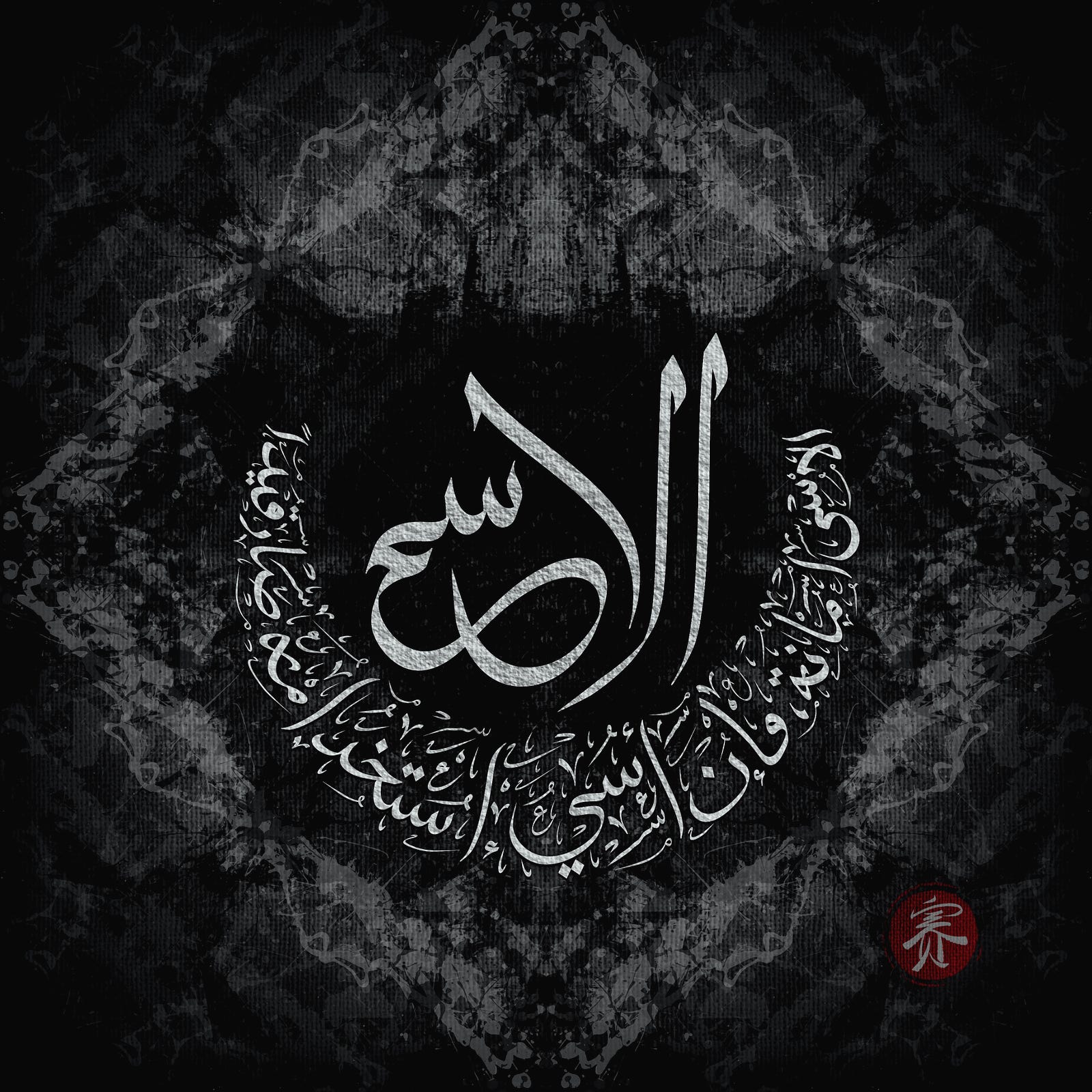
الاسم أمانة، فإن أُسيء استخدامه صار قيداً
A name is a trust. When misused, it becomes a chain.
In my last essay, Why One Hundred Years of Solitude Isn’t a Masterpiece, I wrote about the way Gabriel García Márquez narrates incest, child abuse, and coerced sex through a mythic voice that smooths violation into atmosphere. The prose moves past what should arrest the eye, and the reader is trained to move with it. That essay focused on the craft: how Márquez’s narrative style functions as moral anesthetic, how the same register that carries miracles also carries rape, how that equivalence does the ideological work of normalization. What I didn’t address is one of the most specific and revealing details in the novel, a detail that Márquez got right about incestuous family systems even if he didn’t fully reckon with what it means.
Every generation of the Buendía family recycles the same names. José Arcadio. Aureliano. Amaranta. Remedios. The names repeat like a closed loop, passed down through a family that also passes down incest, coercion, and boundary collapse. Márquez frames this as destiny, as the circular logic of a doomed lineage. I read it as something more specific, and more disturbing, intentional or not. The repetition of names in an incestuous family is not a poetic coincidence. In the families I’m describing, naming is a tool, and the tool is being used.
Throughout this essay I’ll use the word predator rather than perpetrator or abuser, because predator is the most precise term for what I’m describing: a person who exploits, manipulates, and preys on a vulnerable individual for their own gratification. Although some women fall into this category, the majority are male, and the current patriarchal structure of society and its devaluation of women bears significant responsibility for that. I’ll use he for the predator and she for the victim throughout.
In some incestuous family systems, especially those shaped by an older male relative preying on a younger blood relative, there is a recurring symbolic behavior that looks innocent on the surface and grotesque underneath. The predator names children after himself with obsessive insistence. In certain cases, he names a child after the very relative he abused. To outsiders, both patterns read as admiration, as sentiment, as a man honoring the people he loves. To people who are aware of the history, who know the truth of the relationship and understand predation as a structure rather than an isolated event, the patterns read as possession. They read as the predator trying to embed his violation into the family’s official story without ever saying the truth out loud. The name becomes the cleanest way to keep the victim present under his authorship, inscribed into the next generation, spoken at every birthday and holiday, celebrated by the same family that refused to protect her.
This essay continues for subscribers.
The remainder of “A Name Is A Trust” is published to paying subscribers of Black Radical Reflections.
Author’s Note
My name is Saipher Zureti. I am a visual artist and writer. All of the calligraphy in my essays is my original artwork, created specifically for the writing it accompanies.